Starting your day with yoga is one of the best ways to feel fresh, active, and positive. Morning yoga helps wake up your body, improve blood circulation, and prepare your mind for a productive day. Unlike intense workouts, yoga focuses on mindful breathing, gentle stretching, and balance.
If you are a beginner, it is important to choose poses that are simple , safe, and effective. Practicing basic yoga poses daily can improve posture, flexibility, concentration, and overall well-being. In this article, we will explore five easy morning yoga poses that are perfect at home without any special equipment.
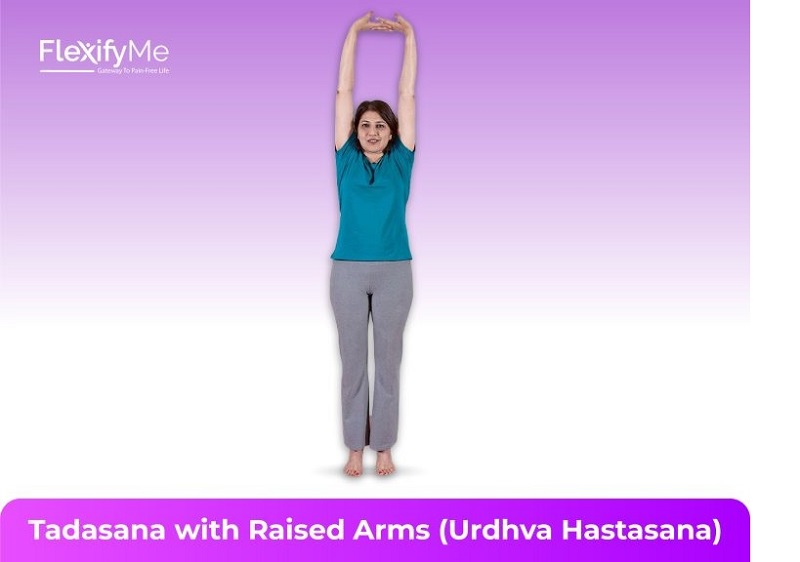
Mountain Pose ( Tadasana )
Info Box
It is a simple yoga pose that stretches the body and improves posture. It helps increase balance, flexibility, and focus.
Benefits:
Improves posture and body alignment
Strengthens legs and core muscles
Enhance balance and stability
Increases focus and awarness
How to Do:
1. Stand upright with your feet together and arms relaxed at your sides.
2.Spread your toes and distribute your body weight evenly on both feet.
3. Keep your spine to the floor. Engage your thigh muscles slightly and lengthen your spine upward.
4.take slow, deep breaths and stay steady.
Breathing Tip :
Inhale deeply through your nose and exhale slowly. Focus on maintaining balance while breathing naturally.
Common Mistake:
Locking the knees
Slouching shoulder
Holding breath
Duration:
Hold for 30-60 seconds and repeat twice.
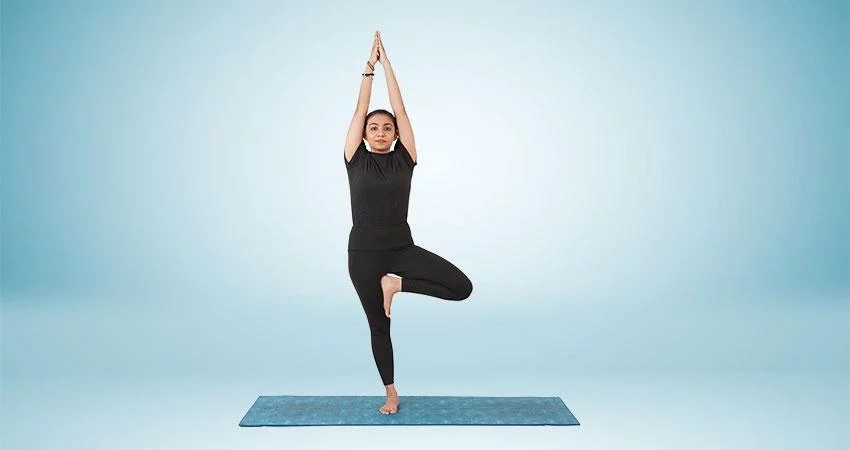
Tree Pose
Benefits:
Improves balance and coordination
Strenghtens thighs and calves
Enhances concentration
Build mental focus
How to Do:
1. Stand tall and shift your weight onto your right foot.
2.Place the sole of your left foot on your inner thigh or calf (avoid placing it directly on the knee).
3.Bring your palms together in a prayer position at your chest.
4.Fix your gaze on one point to maintain balance.
Breathing Tip:
Maintain slow and steady breathing while holding the pose.
Common Mistake:
Placing foot on knee
Looking around frequently
Leaning to one side
Duration:
Hold for 20-40 seconds on each side.
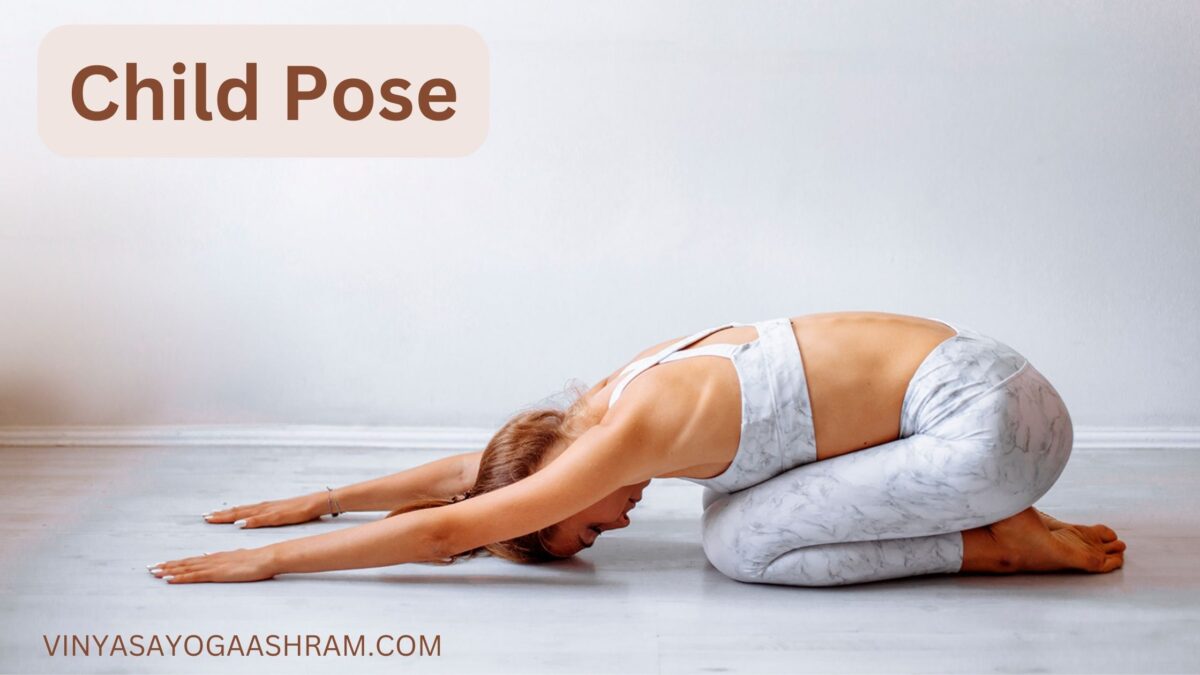
Child Pose
Benefits:
Relives back and shoulder tension
Calm the nervous system
Reduces stress and fatigue
Gently stretches hips and thighs
How to Do :
1.Kneel on the mat and sit back on your heels.
2.Bend forward slowly and stretch your arms in front of you.
3.Rest your forehead on the mat and relax your whole body.
Breathing Tip:
Take deep breaths and allow your body to fully relax with each exhale.
Safety Tips
Use support under the knees if you feel knee pain.
Avoid putting pressure on the belly during pregnancy; keep knees wide.
Do not force the pose if you feel pain.
Come out slowly and breathe comfortably
Duration:
Hold for 40-60 seconds.
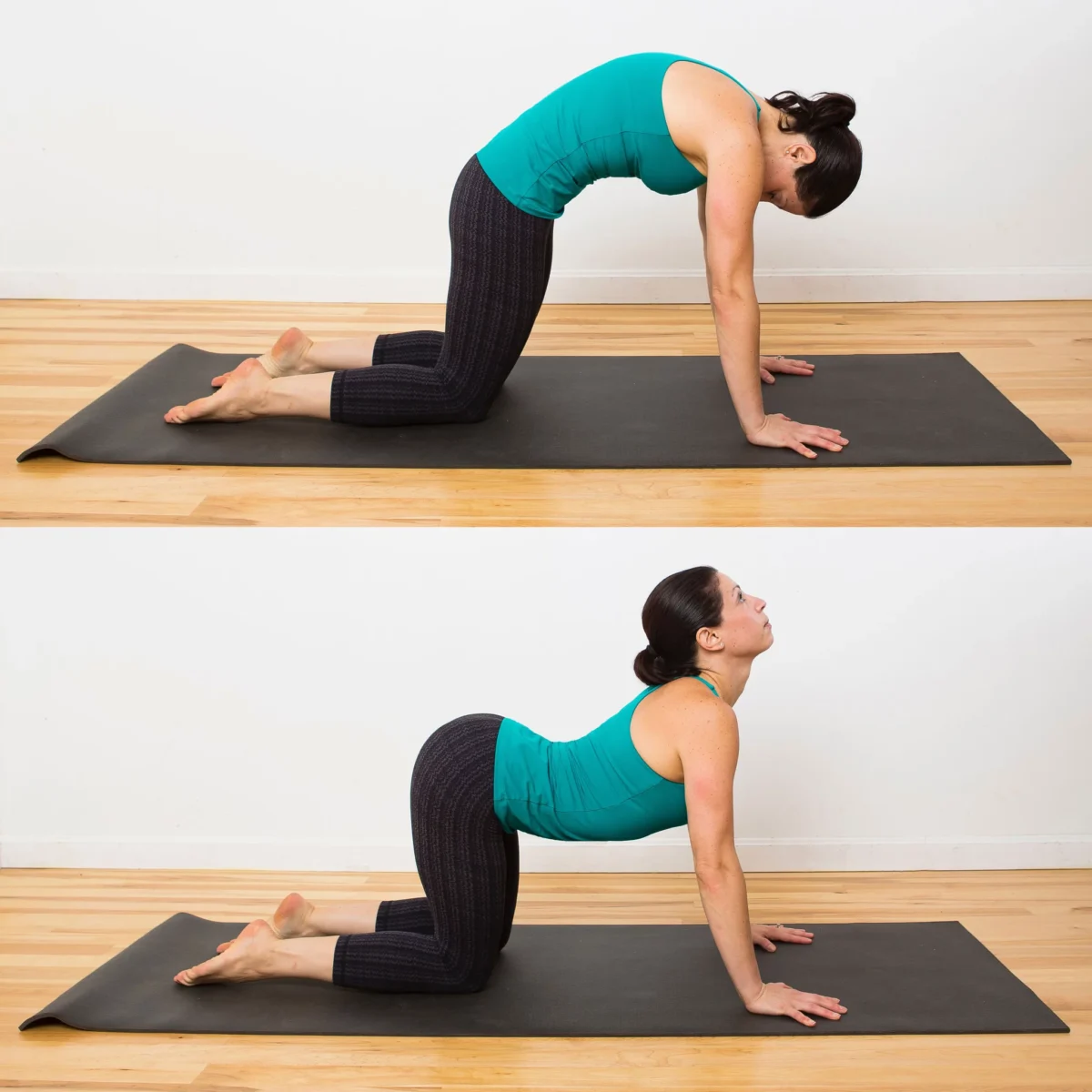
Cat-Cow Pose
Benefits: – Strengthens arms, shoulder, and legs – Stretches hamstrings and calves – Boosts circulation – Energizes the body
Improves spine flexibility
Relieves back stiffness
Enhances coordination
Stimulates abdominal organs
How to Do:
1.Start on your hands and knees in a tabletop position.
2.Inhale and arch your back, lifting your head and tailbone(cow pose).
3.Exhale and round your spine, bringing your chin towards your chest(cat pose).
4.Move slowly and smoothly with your breath.
Breathing tip:
Always inhale in cow pose and exhale in cat pose to protect the spine and maintain safe breathing rhythem.
Duration:
Repeat for 1 minute.
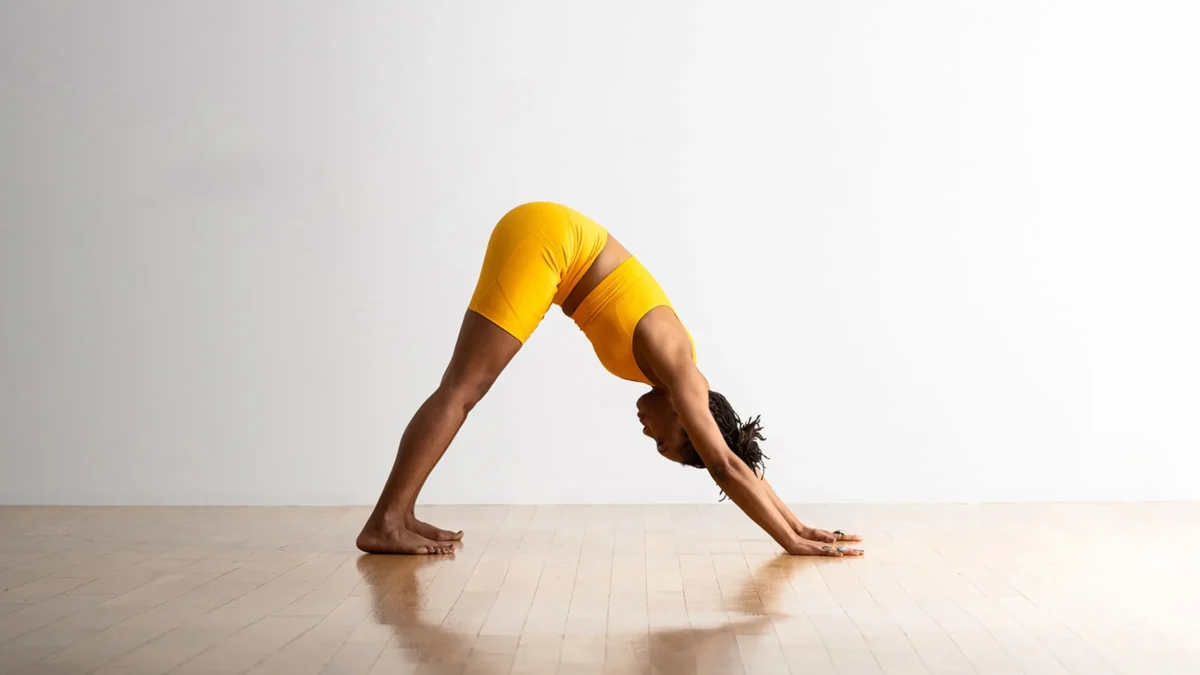
Downward Facing Dog
Benefits:
Strengthens arms, shoulder, and legs
Stretches hamstrings and calves
Boosts circulation
Energizes the body
How to Do:
1.Begin on your hands and knees.
2.Lift your hips upward to form an inverted “V” shape.
3.Keep your hands shoulder-width apart and feet hip-width apart.
4.Press your palms firmly into the mat and lengthen your spine.
Safetey Tip:
If your heels do not touch the floor, keep your knees slightly bent.
Duration:
Hold for 30 seconds.
Conclusion
Practicing these five easy yoga poses every morning can significantly improve your flexibility, balance, and mental clarity. As a beginner, focus on maintaining proper posture and breathing rather than performing the pose perfectly. consistency is more important than the intensity. Start slowly, listen to your body, and gradually increase your practice time. With regularly effort, yoga can become a powerful tool for maintaining both physical and emotional well-being.